Research
How do we continue to recognize a musical identity after it has been transformed? This question lies at the center of my research…
My research investigates how sonic identity is formed, perceived, and transformed through cultural memory, expectation, and technological mediation. I am particularly interested in how certain musical identities remain recognizable even when their material conditions change.
Rather than separating theory and practice, I approach research as something that happens through musical work itself.
Research Questions
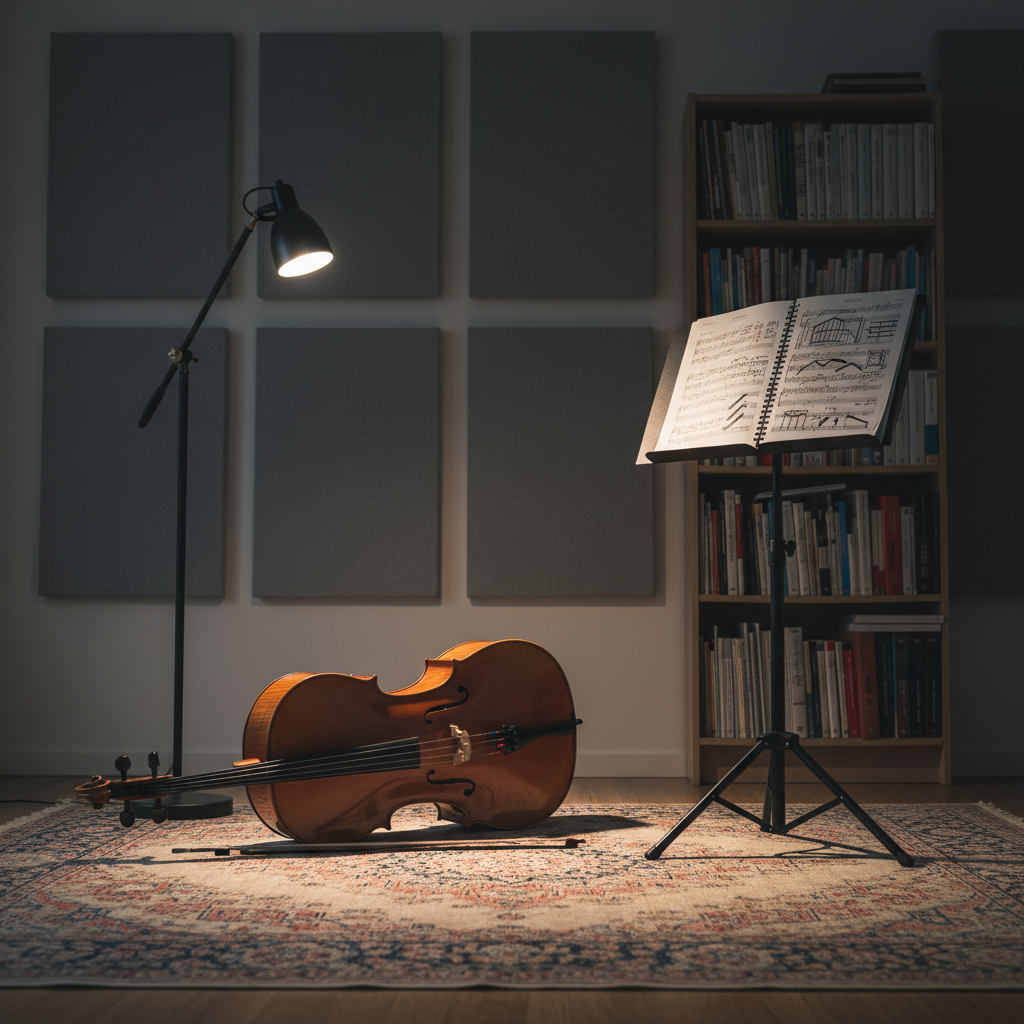
At the core of my work is a simple but complex question: what allows us to recognize a sonic identity?
From this central problem, I explore related questions such as how memory shapes perception, how expectation influences listening, and how technological processes can both transform and preserve recognizable musical traits.
Method
My methodology is grounded in artistic research. It combines three interconnected practices:
composition, as a way of generating and testing sonic hypotheses;
performance, as a form of embodied exploration of musical material;
and computational experimentation, particularly through tools such as SuperCollider, which allow me to simulate and investigate sonic processes.
In this framework, composition is not the outcome of research—it is one of its primary modes of inquiry.
Themes
My work develops around a set of interrelated themes:
sonic identity;
memory and recognition;
expectation and listening;
technology and mediation;
Nordestine musical matrices;
and perception as a culturally situated process.
These themes do not function as separate topics, but as overlapping dimensions of a single research field.
Current Projects
My current work unfolds across three main contexts:
doctoral research, where these ideas are developed in dialogue with academic literature and artistic practice;
ongoing compositions, which serve as experimental spaces for sonic exploration;
and computational studies in SuperCollider, where I test generative and structural models of sound.
Together, these activities form a continuous cycle of research through practice.

